Overview of GE Profile Induction Cooktop Manuals
GE Profile induction cooktop manuals offer step‑by‑step guidance for models PHP9030, PHP9036, and PHS930. They cover installation, safety, touch‑control operation, cookware detection, and troubleshooting. PDFs available in English and Spanish.!!
Model Variations and Available Manuals
GE Profile induction cooktops come in several key models, each supported by a dedicated user guide that details specifications, installation steps, and operating procedures. The most common variants include the PHP9030, PHP9036, and PHS930 series. The PHP9030 and PHP9036 share a similar touch‑control interface and power rating, but differ in panel layout and optional features such as child‑lock settings. Their manuals are available in PDF format on GE’s official support site, downloadable in both English and Spanish to accommodate a broad user base. The PHS930 30‑inch induction range, while larger, follows the same design philosophy and offers a comprehensive manual that covers cookware detection, guided cooking modes, and firmware update instructions. All manuals provide detailed wiring diagrams, safety warnings, and troubleshooting sections. Users can also access the same documents via the GE Customer Support portal, where a version history is maintained to ensure compatibility with the latest firmware releases. For convenience, many of the PDFs are also offered in a text‑only format, making them accessible for screen readers and other assistive technologies. Each manual contains a troubleshooting FAQ sections.
Key Features Highlighted in Manuals
GE Profile induction cooktop manuals focus on key features that simplify cooking and ensure safety. The touch‑control interface is illustrated with a four‑zone sensor layout, a dynamic power slider, and a child‑lock toggle. The Precision Temperature Control (PTC) system keeps heat stable within ±1 °F, and the Guided Cooking mode selects optimal power for sauté, simmer, or boil. Cookware detection senses magnetic field, displays a “Pan Detected” icon, and adjusts power to match pan size and material. Safety details list required electrical specs (120 V, 20 A circuit, 3‑phase or single‑phase), recommended clearances, and a lock‑out mechanism that disables the unit during maintenance. Firmware updates add a “Smart‑Cook” mode that syncs with the GE Home app for remote monitoring. Troubleshooting lists common error codes (E01, E02, E03) and step‑by‑step solutions, such as resetting the unit or checking the power cord. All features are illustrated with screenshots and flowcharts for quick reference. Users can also download the PDF or text version for offline reference, ensuring they have the latest firmware notes and safety updates readily available today.
Installation and Safety Guidelines
GE Profile induction cooktops need a dedicated 120 V circuit, 20 A breaker, and 2‑inch clearance. Follow the schematic, secure the unit, verify grounding, activate child‑lock, and test the safety interlock before use and check the lock.!
Electrical Requirements and Wiring
The GE Profile induction cooktop series (PHP9030, PHP9036, PHS930) mandates a dedicated 120‑volt, 20‑ampere circuit with a 2‑inch clearance from adjacent surfaces. Wiring must use 12‑AWG copper conductors, with a grounded neutral and a separate grounding wire. The circuit breaker should be a 20‑amp single‑pole, listed for kitchen appliances. All connections must be made to a 3‑wire or 4‑wire receptacle, ensuring the neutral is not bonded to the ground. The cooktop’s internal wiring harness requires a 2‑pin or 3‑pin plug that matches the receptacle’s configuration. Prior to energizing, verify that the receptacle is properly grounded and that the circuit is de‑energized. After installation, test the cooktop’s built‑in safety interlock and child‑lock features to confirm proper operation. The manual recommends using a qualified electrician for installation to comply with local electrical codes and to avoid potential hazards such as overcurrent, short circuits, or grounding failures. Verify that the circuit’s load does not exceed the breaker rating and that neutral and ground conductors are sized per NEC 210.12. Install a 20‑amp breaker for the cooktop’s power draw. Ensure receptacle’s grounding screw is tight.!
Proper Placement and Ventilation
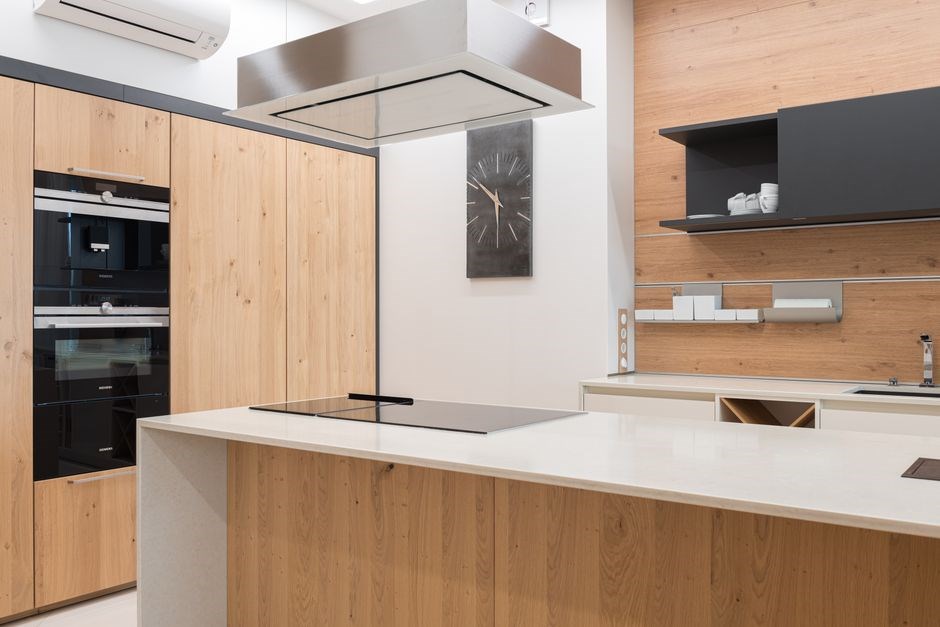
The GE Profile induction cooktop requires a clear, flat surface with a minimum clearance of 2 inches on all sides to allow proper airflow. Position the unit on a level countertop that can support its weight; avoid placing it over a draft or near a heat source such as a stove or oven. The cooktop should be installed at least 12 inches from any wall or cabinet to prevent heat buildup. Ventilation is critical: the manual specifies a minimum of 10 air changes per hour in the kitchen space. If the kitchen has a range hood, it should be rated for at least 400 CFM and be positioned directly above the cooktop, with a minimum clearance of 18 inches between the hood and the cooktop surface. For non‑vented installations, a dedicated exhaust fan or a vented wall should be used to remove excess heat and moisture. The cooktop’s internal temperature sensors rely on ambient air; excessive heat can cause sensor drift and affect cooking performance. Additionally, the manual recommends installing a fire‑resistant barrier between the cooktop and any combustible materials. Proper placement and ventilation not only enhance safety but also prolong the life of the induction coils and improve cooking efficiency. All installations should comply with local building codes.!!!…
Safety Precautions and Child Locks
The GE Profile induction cooktop manual stresses safety first. The unit’s high‑frequency magnetic field can pose a hazard if left on or if metal objects are placed on the surface. To mitigate risk, the manual recommends enabling the child‑lock feature, which disables the touch‑control panel and prevents accidental activation. The child‑lock is activated by holding the “Child Lock” button for three seconds; a green indicator light confirms lock status. To deactivate, repeat the same procedure. The manual advises keeping the cooktop surface clear of liquids or food debris that could conduct electricity. The induction coils are insulated, but splashes of water can create a short circuit if the surface is not cleaned promptly. The manual also stresses that the cooktop should not be used with cookware that is not induction‑compatible; non‑ferrous pans will not heat and can cause the unit to overheat. For extra safety, keep the area around the cooktop free of flammable materials such as paper towels, plastic wrap, or cloth. Finally, the manual recommends that users read the safety warnings before first use, keep the manual in an accessible location, and consult a licensed electrician for any electrical modifications. All safety measures are essential Never leave unattended
Operating Instructions and Cooking Features

The GE Profile manual guides users through touch‑control settings, energy modes, and guided cooking. It explains precise temperatures, pan detection, and pre‑set programs for simmer, sauté, or boil. Follow safety tips for optimal use guide
Touch Control Interface and Energy Modes

The GE Profile induction cooktop manual details an intuitive touch‑control panel that displays real‑time power levels, temperature settings, and timer countdowns. Users can select from multiple energy modes—Eco, Normal, and Turbo—each calibrated to balance cooking speed with energy efficiency. The Eco mode reduces wattage to 60% of the maximum, ideal for gentle simmering or keeping food warm. Normal mode delivers full power for standard cooking tasks, while Turbo mode spikes to 100% output for rapid boiling or searing. Each mode is accompanied by a visual indicator on the touch screen, and the manual explains how to toggle between them using the “Mode” button. Additionally, the interface supports a “Guided Cooking” feature that automatically adjusts power based on the selected recipe, providing step‑by‑step instructions and estimated completion times. The manual emphasizes the importance of placing cookware with a flat, induction‑compatible base to ensure accurate power delivery. Users are advised to keep the touch surface clean and dry, and to avoid pressing too hard, which can cause unintended power spikes. Finally, the manual includes troubleshooting tips for common touch‑screen issues, such as lag or unresponsive buttons, and
Precision Temperature Control and Guided Cooking
The GE Profile induction cooktop manual explains how the system’s precision temperature control delivers consistent heat across the entire cooking surface. By using a high‑frequency induction coil and a real‑time temperature sensor, the cooktop maintains the set temperature within ±1°C, ensuring even cooking and preventing hotspots. The manual details how to access the Temperature Mode via the touch interface, allowing users to choose from Low, Medium, and High settings, each calibrated to specific wattage ranges. For recipes that require exact temperatures—such as custards, chocolate tempering, or sous‑vide—the manual recommends the Precision Mode, which locks the power output and continuously adjusts the coil to keep the surface steady.
Guided Cooking is a feature highlighted in the manual that pairs the cooktop with the GE Smart Kitchen app. By scanning a QR code on the user manual or the cooktop, the app loads a library of recipes that automatically set the appropriate temperature, timer, and power level. During cooking, the app displays real‑time feedback on the touchscreen, including a progress bar and estimated finish time. The manual advises users to keep the cookware’s bottom flat and to use induction‑compatible pans for optimal performance. It also notes that the guided cooking mode can be paused or resumed, and that the cooktop will return to the last set temperature once the pause is lifted. Finally, the manual includes troubleshooting steps for common guided cooking issues, such as the app not connecting or the temperature not stabilizing, and directs users to the GE support portal for firmware updates that enhance precision and compatibility.
Cookware Compatibility and Pan Detection
The GE Profile induction cooktop manual specifies that compatible cookware must be ferrous, meaning it contains iron or steel. The manual lists acceptable materials: cast iron, enameled steel, stainless steel with a magnetic base, and certain aluminum alloys that have a magnetic layer. Non‑ferrous pans such as pure aluminum, copper, or glass will not heat, and the cooktop will display a “Pan Not Detected” warning.
The manual explains the pan detection process: when a pan is placed on the active zone, the induction coil generates a magnetic field that induces eddy currents in the cookware. The sensor detects a temperature rise within 5 seconds, confirming the pan’s presence. If no rise is detected, the cooktop prompts the user to reposition or replace the pan.
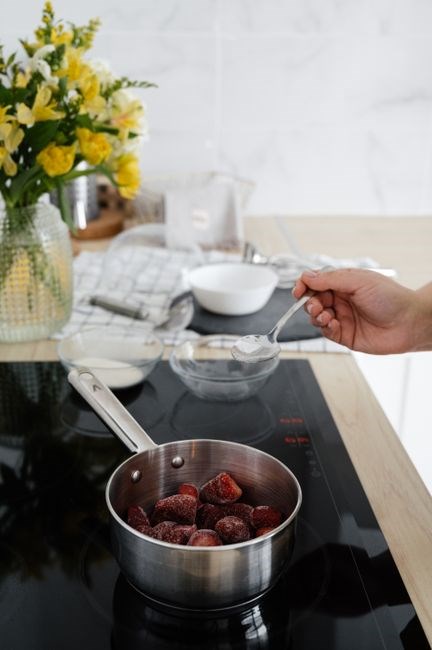
The manual explains the pan detection process: when a pan is placed on the active zone, the induction coil generates a magnetic field that induces eddy currents in the cookware. The sensor detects a temperature rise within 5 seconds, confirming the pan’s presence. If no rise is detected, the cooktop prompts the user to reposition or replace the pn.
For optimal performance, the manual recommends pans with a minimum bottom thickness of 3 mm to ensure efficient heat transfer and avoid “hot spots.” It advises keeping the pan’s bottom flat and centered on the zone, and warns against uneven bottoms. It ensures even cooking, better!
For more detailed compatibility lists, the manual directs users to the online support portal where downloadable PDFs and updated firmware can be accessed.

Troubleshooting, Maintenance, and Warranty
Manual lists error codes: E1 power, E2 pan detection, E3 overheat. Fix by ensuring ferrous pan, clearing debris. Clean with damp cloth. Warranty covers parts/labor 2 yrs, service contacts online now!!
Common Error Codes and Solutions
GE Profile induction cooktops display concise error codes on the digital panel. The most frequent codes and their remedies are:
- E1 – Power Failure: Verify the outlet is functioning, breaker is on, and the cooktop is grounded. Reset by unplugging for 30 seconds.
- E2 – Pan Detection Failure: Ensure ferrous cookware is fully seated. Remove debris from pan bottom. Restart cooktop.
- E3 – Over‑Temperature: Check vent hood is active and airflow unobstructed. Allow unit to cool 5 minutes before cooking resumes.
- E4 – Communication Error: Power cycle appliance, confirm firmware current. If error persists, contact GE service.
- E5 – Sensor Fault: Clean sensor area, verify pan placement. Persistent E5 indicates hardware issue needing inspection.
For any unlisted code, refer to the “Error Code Reference” section in the user manual. Maintaining a clean induction surface and using compatible cookware reduces error incidence.
Regular firmware updates are available via the GE app, ensuring error handling improvements and new features. Users should schedule annual maintenance checks to keep the cooktop operating safely. Check updates now.
Cleaning and Routine Maintenance
Regular cleaning keeps the GE Profile induction surface safe and efficient. After each use, allow the cooktop to cool completely. Wipe the glass with a soft, damp microfiber cloth and a mild, non‑abrasive cleaner. Avoid ammonia, bleach, or abrasive pads that can scratch the surface. For stubborn stains, apply a small amount of vinegar or a specialized induction‑cooktop cleaner, then rinse with a clean cloth.
Routine maintenance includes inspecting the power cord and plug for damage, ensuring the outlet is secure, and checking the ventilation system for obstructions. Replace any cracked or frayed cord immediately. Keep the vent hood filters clean; a clogged filter reduces airflow and can trigger an over‑temperature error. Schedule a professional inspection every 12 months to verify the internal wiring and sensor functionality.
Do not place metal utensils or pans directly on the glass; use a protective pad or a dedicated induction‑compatible pan. Store cookware in a dry area to prevent rust, which can interfere with pan detection. If the cooktop displays an error code after cleaning, reset by unplugging for 30 seconds. Follow the user manual’s troubleshooting guide for persistent issues Check the manual for detailed maintenance schedules now

Warranty Coverage and Service Contacts
GE Profile induction cooktops come with a one‑year limited warranty covering parts and labor for manufacturing defects. Damage from misuse, spills, or normal wear is excluded. Owners may add a two‑year extended warranty that covers accidental damage, water intrusion, and power surges. Claims must be filed within 30 days of first notice and include proof of purchase and a service request number.
Service requests start online at www.ge.com/support or by calling GE Customer Service at 1‑800‑GE‑CARE (1‑800‑432‑2736). Local authorized centers are listed on the GE website; schedule appointments in advance. Technicians use the GE Service Portal for diagnostics and part ordering. Recalled products trigger free repair or replacement.
Keep the manual, receipt, and warranty documents handy. If an error code appears, consult the troubleshooting section before calling. For parts, call the GE Parts Hotline at 1‑800‑GE‑PARTS (1‑800‑432‑2747) to confirm availability. All service interactions are logged in the GE Service Management System. For firmware updates, check the GE website or contact support; updates keep the cooktop running and add daily features.
Software Updates and Firmware Versions

GE Profile induction cooktops use a modular firmware architecture that supports OTA updates delivered via the GE Smart Home app. The baseline firmware for PHP9030 is 3.1.4, for PHP9036 and PHS930 it is 3.2.0. Updates are released quarterly and contain bug fixes, new guided‑cooking presets, and enhanced energy‑saving algorithms. To initiate an update, connect the cooktop to a stable Wi‑Fi network, launch the GE Smart Home app, and navigate to the “Device Settings” menu. The app will automatically detect an available update, download it, and apply it during a brief reboot. Users may also trigger a manual check by selecting “Check for Updates.” The update process is fully encrypted; no data is transmitted to third parties. After installation, the app displays a confirmation screen and logs the new firmware version. If the update fails, the cooktop reverts to the previous stable build. For troubleshooting, consult the “Firmware Troubleshooting” section of the user manual or contact GE Support. All updates are covered under the standard one‑year warranty; extended warranties include priority support for firmware issues. The GE Support portal lists version histories, changelogs, and known issues for each release. Users are encouraged to keep their cooktop’s firmware current to benefit from performance improvements and new cooking modes that are added with each update cycle. Keep firmware updated for best performance and new cooking modes. now;!!!!